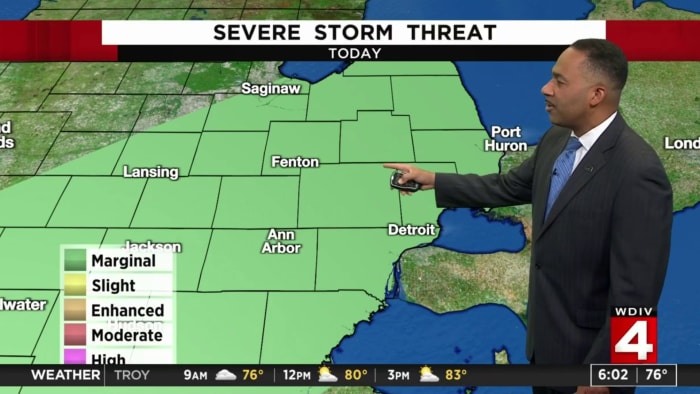
Metro Detroit Braces for New Severe Storm Risk on Sunday Amidst Heat and Humidity
As the weekend draws to a close, residents across Metro Detroit are urged to prepare for a renewed risk of severe storms Detroit on Sunday. Following a week that saw destructive weather tear through other parts of Michigan, leaving a trail of devastation and significant power outages, the focus now shifts to Southeast Michigan, where hot and humid conditions are expected to fuel potential afternoon and evening thunderstorms.
While Metro Detroit largely avoided the direct impact of the tornadic storms that ravaged southwest Michigan on Friday, the memory of that widespread destruction serves as a stark reminder of nature's unpredictable power. Now, with a new weather system brewing, vigilance and preparedness are paramount for communities from Detroit to its surrounding suburbs. Understanding the forecast and knowing how to react can make all the difference when severe weather strikes.
Recap: Friday's Fury Across Michigan Leaves Widespread Destruction
The echoes of Friday's intense weather continue to resonate across Michigan. Communities in the lower half of the state, particularly the southwest, experienced multiple rounds of severe weather, including confirmed tornadoes that inflicted catastrophic damage. This onslaught of high winds, heavy rain, and destructive twisters led to significant flooding, extensive property damage, and widespread power outages impacting thousands.
The human cost was tragically high. In Branch County, specifically around Union City, three lives were lost, and at least a dozen others sustained injuries after an apparent tornado swept through the area. Meanwhile, a fourth fatality was reported in Cass County, where officials swiftly declared a state of emergency to coordinate recovery efforts. The National Weather Service (NWS) had issued tornado warnings for several areas, including Mendon, Sherwood, and Union City, with reports of a tornado near Colon moving northeast.
Videos shared on social media captured harrowing scenes of a tornado near Union Lake and extreme winds tearing through St. Joseph and Branch counties, leaving buildings, stores, and homes in ruins. In response to the escalating crisis, Governor Gretchen Whitmer activated the State Emergency Operations Center, initiating a Level 3 monitoring status for Branch, Cass, and St. Joseph Counties to coordinate state-level assistance and resources. This swift action underscored the gravity of the situation and the immediate need for aid in the affected regions.
For more detailed information on the widespread impact and the aftermath, you can refer to these related articles: Michigan Storms: 4 Dead, Extensive Damage & Power Outages and Michigan Storm Aftermath: Governor Activates Emergency Center.
Metro Detroit's Sunday Outlook: Heat, Humidity, and Renewed Risk
While Friday's most destructive storms largely bypassed Southeast Michigan, Sunday presents a new set of challenges for Metro Detroit. The weekend has been characterized by abundant sunshine, bringing hot and humid conditions – a potent recipe for atmospheric instability. These conditions are set to persist through Sunday, creating an environment ripe for the development of showers and thunderstorms, particularly in the afternoon and evening hours.
Forecasters indicate that the chances for these systems to roll into the region will increase significantly by late Sunday, potentially impacting plans for outdoor activities or evening commutes. The key concern isn't just rain, but the potential for these storms to become severe. When meteorologists speak of severe storms Detroit, they are typically referring to thunderstorms capable of producing:
- Damaging Winds: Gusts of 58 mph or higher, strong enough to down trees, power lines, and cause structural damage.
- Large Hail: Hailstones with a diameter of one inch or greater (quarter-sized or larger), which can damage vehicles, roofs, and crops.
- Tornadoes: Though less common, isolated tornadoes can form rapidly within severe thunderstorm cells, posing the greatest threat to life and property.
- Flash Flooding: Intense rainfall rates over a short period, especially in urban areas with poor drainage, can lead to dangerous flash floods.
The combination of lingering heat, oppressive humidity, and potential atmospheric triggers means that residents should remain acutely aware of changing weather conditions throughout Sunday. It's crucial not to confuse a "dense fog warning," like the one issued for Metro Detroit on Friday night, with a "severe thunderstorm warning." The latter indicates an immediate threat to life and property, requiring urgent action.
Preparing for Severe Weather: Essential Safety Tips for Metro Detroit
In the face of potential severe storms Detroit, preparedness is your best defense. Taking proactive steps now can significantly reduce risk and ensure your family's safety. Here are actionable tips and insights:
1. Stay Informed and Monitor Forecasts
- Reliable Sources: Tune into local news channels, radio stations, and use trusted weather apps (e.g., NWS, local meteorologist apps).
- Weather Alerts: Ensure your phone's emergency alerts are enabled. Invest in a NOAA weather radio, especially if power outages are common in your area.
- Understand the Lingo:
- Severe Thunderstorm Watch: Means conditions are favorable for severe thunderstorms to develop in or near the watch area. Be prepared.
- Severe Thunderstorm Warning: Means severe thunderstorms are happening or are imminent. Take shelter immediately.
- Tornado Watch: Means conditions are favorable for tornadoes to develop in or near the watch area. Be prepared.
- Tornado Warning: Means a tornado has been sighted or indicated by radar. Take shelter immediately.
2. Develop a Family Emergency Plan
- Designate a Safe Room: Identify the safest place in your home – typically a basement, storm cellar, or an interior room on the lowest floor away from windows.
- Practice Drills: Periodically practice going to your safe room so everyone knows what to do, especially children.
- Communication Plan: Establish how family members will contact each other if separated, especially if cell service is disrupted. Designate an out-of-state contact person for family check-ins.
3. Assemble an Emergency Kit
Have a readily accessible kit with essentials for at least 72 hours, including:
- Water (one gallon per person per day)
- Non-perishable food
- Battery-powered radio and extra batteries
- Flashlight and extra batteries
- First-aid kit
- Whistle to signal for help
- Dust mask
- Moist towelettes, garbage bags, and plastic ties for personal sanitation
- Wrench or pliers to turn off utilities
- Manual can opener for food
- Local maps
- Cell phone with chargers and a backup power bank
- Important family documents (copies in a waterproof container)
- Cash
- Prescription medications and glasses
- Infant formula and diapers (if applicable)
- Pet food and extra water for your pet (if applicable)
4. During a Storm
- Seek Immediate Shelter: If a warning is issued, move to your designated safe place.
- Stay Away from Windows: Flying debris is a major hazard.
- Protect Yourself: If in an interior room, cover yourself with a mattress or blankets for added protection.
- If Outdoors: Seek sturdy shelter immediately. If no shelter is available, lie in a ditch or other low-lying area and cover your head with your arms.
- In a Vehicle: Never try to outrun a tornado in a car. Abandon your vehicle and seek sturdy shelter, or if no other option, lie in a ditch.
5. Post-Storm Safety
- Assess Damage Safely: Wait until the storm has fully passed before venturing out.
- Beware of Downed Power Lines: Assume all downed lines are live and extremely dangerous. Report them to utility companies immediately.
- Avoid Floodwaters: "Turn around, don't drown." Six inches of moving water can knock you down, and two feet can sweep your vehicle away.
- Check on Neighbors: If safe to do so, check on elderly or vulnerable neighbors.
- Documentation: Take photos of any damage for insurance purposes.
Looking Ahead: Beyond Sunday's Storms
While Sunday will require heightened awareness due to the potential for severe storms Detroit, the forecast for the upcoming week offers a glimmer of relief. Meteorologists anticipate a shift towards cooler temperatures next week, which should help to stabilize the atmosphere and reduce the risk of severe weather. However, the recent events in Michigan underscore the importance of ongoing vigilance throughout the warmer months, as weather patterns can change rapidly.
It's always a good practice to check the daily forecast, even when the weather seems calm, and to keep your emergency kit updated. Being prepared not only helps you but also contributes to the resilience of the entire Metro Detroit community.
Conclusion
The potential for severe storms Detroit on Sunday serves as a critical reminder of the dynamic nature of Michigan's weather. While Friday's devastating tornadoes spared Metro Detroit, the region now faces its own risk amidst hot and humid conditions. By staying informed through reliable weather sources, having a well-rehearsed emergency plan, and preparing an essential kit, residents can significantly enhance their safety and resilience. Let's remain vigilant, look out for one another, and prioritize safety as we navigate the changeable weather ahead.