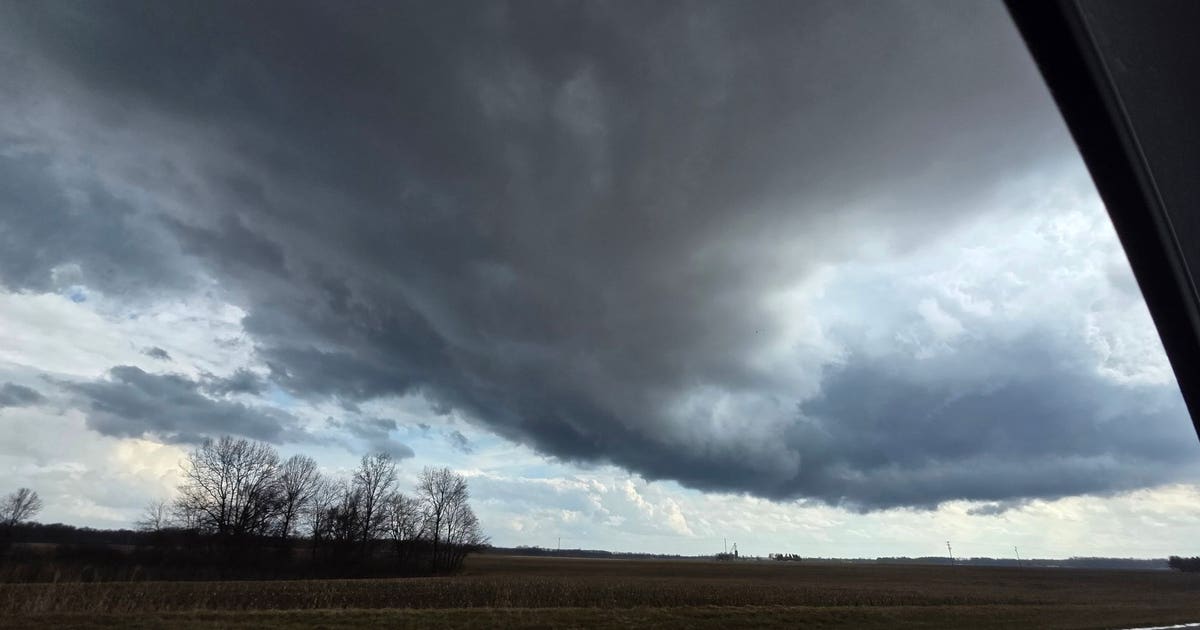
Michigan Storm Aftermath: Governor Activates Emergency Center Amidst Widespread Devastation
Friday brought a wave of unprecedented weather fury across Michigan, leaving a path of destruction, heartbreak, and widespread disruption. As communities in the southwestern part of the state grappled with the immediate aftermath of tornadoes and severe thunderstorms, Governor Gretchen Whitmer swiftly activated the State Emergency Operations Center (SEOC), signaling a comprehensive, coordinated response to the unfolding crisis. While the initial brunt of the destruction struck southwest Michigan, the ongoing threat of volatile weather, including potential severe storms in Detroit and the surrounding Metro area, kept residents on edge and emergency services on high alert.
The swift activation of state resources underscores the gravity of the situation, with initial reports indicating fatalities, numerous injuries, and extensive property damage. From ripped-apart homes to widespread power outages, the sheer force of nature left an indelible mark, demanding immediate action and sustained recovery efforts. This article delves into the immediate impact, the state's emergency response, and crucial preparedness measures for Michiganders facing an increasingly unpredictable weather landscape.
A Trail of Destruction: Southwest Michigan Reels from Tornadoes and High Winds
The severity of Friday’s weather system became tragically clear as reports emerged from several communities in Michigan’s lower peninsula. The most devastating impact was felt in the southwest, where multiple tornadoes touched down, tearing through towns and leaving behind a grim tableau of wreckage. Branch, Cass, and St. Joseph Counties bore the brunt of these extreme weather events.
The Branch County Sheriff confirmed a horrifying toll: three people tragically lost their lives, and twelve others sustained injuries after an apparent tornado swept through Union City. Simultaneously, Cass County reported a fourth fatality, underscoring the lethal power of these storms. Officials in Cass County promptly declared a state of emergency, a critical step that mobilizes additional local and state resources for aid and recovery.
Videos shared across social media platforms captured the terrifying reality, showing a tornado blowing by Union Lake and depicting the sheer force that flattened buildings, damaged stores, and rendered homes uninhabitable. Consumers Energy reported several thousand power outages in affected areas, particularly around Union City and Joppa, southwest of Battle Creek, plunging thousands into darkness and complicating immediate relief efforts. Residents were advised to seek shelter in basements or interior rooms on the lowest floor, a life-saving directive amidst warnings of quarter-size hail and flying debris.
For more detailed information on the tragic outcomes and the immediate devastation, you can read about the impact here: Michigan Storms: 4 Dead, Extensive Damage & Power Outages.
Governor Whitmer Mobilizes State Resources: The Emergency Center Activated
In response to the escalating crisis and the widespread damage, Governor Gretchen Whitmer promptly activated Michigan's State Emergency Operations Center (SEOC). This decisive action is a critical step in managing large-scale disasters, enabling a coordinated response from various state agencies and facilitating the allocation of necessary resources.
The SEOC, operating at a Level 3 monitoring status, serves as the central hub for incident management, information sharing, and resource coordination. Its activation means that key personnel from departments such as Michigan State Police, Department of Transportation, Department of Health and Human Services, and others are brought together to assess needs, dispatch aid, and ensure a unified approach to the emergency. For the affected counties—Branch, Cass, and St. Joseph—this activation is vital. It means streamlined access to state assets, potential for federal assistance, and a structured approach to addressing immediate needs like search and rescue, medical aid, shelter, and infrastructure repair.
"Our thoughts are with those impacted by these devastating storms," stated a representative from Michigan's emergency management. "The activation of the SEOC allows us to bring all available state resources to bear, working closely with local officials to support recovery efforts and ensure the safety and well-being of our residents." This coordinated effort is paramount in accelerating recovery and providing stability to communities reeling from such unexpected and severe weather events.
Navigating Ongoing Threats: From Dense Fog to Potential Severe Storms in Detroit
While southwest Michigan endured the initial brunt, the broader atmospheric conditions continued to pose risks across the state. As the large system trekked across Michigan from west to east, residents in Metro Detroit were bracing for its arrival late Friday night. Although no severe weather warnings were issued for Southeast Michigan counties as of 7:55 p.m. on Friday, the National Weather Service (NWS) did issue a dense fog warning for the area until 1 a.m., signaling hazardous driving conditions.
However, the weather pattern remains volatile. Following the immediate Friday events, forecasts for the weekend indicated a continued period of instability. Heat and humidity, often precursors to turbulent weather, were expected to persist through Sunday. This combination significantly increases the chances for new rounds of showers and thunderstorms to roll into the Metro Detroit region, particularly in the afternoon and evening.
Understanding the difference between a weather "watch" and a "warning" is crucial for personal safety. A Severe Thunderstorm Watch means conditions are favorable for severe storms to develop in or near the watch area. A Severe Thunderstorm Warning means a severe thunderstorm is happening or is about to happen, posing an immediate threat to life and property. Given the forecast for heat, humidity, and the potential for new convective activity, residents in the Metro Detroit area must remain vigilant and informed about developing weather patterns. Staying updated with local NWS alerts and weather forecasts is imperative to prepare for any potential severe storms in Detroit and its surrounding communities.
For detailed information on the upcoming weather risks for the weekend, particularly for the Metro Detroit area, residents are encouraged to consult this forecast: Metro Detroit Forecast: Sunday Brings New Severe Storm Risk.
Essential Preparedness: Safeguarding Your Family and Property Against Severe Weather
The recent events in Michigan serve as a stark reminder of the unpredictable nature of severe weather and the critical importance of preparedness. Whether you're in an area prone to tornadoes or anticipating severe storms in Detroit, taking proactive steps can significantly reduce risks and enhance safety.
Practical Tips for Severe Weather Preparedness:
- Develop a Family Emergency Plan: Discuss with your family what to do, where to go, and how to communicate in an emergency. Identify a safe room in your home (basement, interior room on the lowest floor away from windows) for shelter during a tornado or severe thunderstorm.
- Build an Emergency Kit: Prepare a kit with essentials for at least 72 hours. This should include:
- Bottled water (one gallon per person per day)
- Non-perishable food
- Battery-powered or hand-crank radio and a NOAA weather radio with tone alert
- Flashlight and extra batteries
- First-aid kit
- Whistle to signal for help
- Dust mask, plastic sheeting, and duct tape (to shelter-in-place)
- Wrench or pliers to turn off utilities
- Manual can opener
- Chargers for cell phones and other devices
- Important documents (copies of insurance policies, identification, bank records)
- Cash
- Prescription medications and glasses
- Baby formula and diapers, if applicable
- Pet food and extra water for pets
- Stay Informed: Monitor local news, weather apps, and NWS alerts. Understand the difference between watches and warnings. Many local authorities offer emergency alert systems you can sign up for.
- Secure Your Property: Before severe weather hits, secure loose outdoor items like patio furniture, trash cans, and trampolines that could become dangerous projectiles. If a storm approaches, park vehicles away from large trees or power lines.
- Know What to Do During a Storm:
- If a tornado warning is issued, seek immediate shelter in your safe room.
- If driving, do not try to outrun a tornado; find substantial shelter or lie in a ditch away from your car.
- During high winds, stay away from windows and doors.
- If outdoors, seek sturdy shelter or lie in a low-lying area.
- Post-Storm Safety:
- Stay away from downed power lines and report them immediately.
- Avoid floodwaters, both on foot and in vehicles.
- Check on neighbors, especially the elderly or those with disabilities.
- Document any damage for insurance claims.
These proactive measures can make a significant difference in safeguarding lives and property when unexpected and violent weather strikes, whether in rural Michigan or facing severe storms in Detroit.
Conclusion
The devastating severe storms that swept across Michigan on Friday left a trail of destruction, fatalities, and widespread anguish, particularly in the state's southwest regions. Governor Whitmer's rapid activation of the State Emergency Operations Center highlights the gravity of the situation and the unified effort to aid affected communities and facilitate recovery. As Michiganders collectively grieve and begin the arduous process of rebuilding, the threat of further volatile weather, including potential severe storms in Detroit and other areas, underscores the ongoing need for vigilance. These events serve as a powerful reminder of nature's formidable power and the indispensable value of comprehensive emergency preparedness. By staying informed, having a plan, and supporting one another, Michigan communities can strengthen their resilience against future weather challenges.