Michigan Storms Unleash Devastation: 4 Dead, Extensive Damage & Power Outages
Michigan has been reeling from a devastating onslaught of severe weather, leaving a tragic trail of destruction, power outages, and profound grief across the state. A powerful system of storms, marked by intense winds and multiple confirmed tornadoes, swept through various communities, claiming the lives of four individuals and causing widespread havoc. While the initial, most destructive tornadoes primarily impacted Southwest Michigan, the broader storm system prompted emergency responses statewide and served as a stark reminder of the unpredictable nature of severe weather, with Metro Detroit bracing for and later experiencing its own risks.
The severe weather event unfolded with alarming speed, beginning mid-Friday afternoon. Rounds of severe thunderstorms and high winds tore across Michigan, with particular intensity in the state's southwestern regions. Communities reported immediate and extensive damage, from structurally compromised buildings to vast areas of downed trees and power lines. The human cost of these storms has been the most heartbreaking, as search and rescue operations confirmed fatalities and numerous injuries.
A Trail of Devastation and Loss
The ferocity of Friday's storms was most acutely felt in several southwestern Michigan counties. The hardest-hit areas saw homes, businesses, and essential infrastructure severely damaged or completely destroyed. Local officials reported immediate and critical situations, mobilizing emergency services to aid those affected.
Fatalities and Injured: The Human Cost
Tragically, the storms resulted in four confirmed deaths. In Branch County, specifically Union City, an apparent tornado claimed the lives of three individuals, with an additional twelve people reported injured. Videos shared on social media painted a grim picture of the tornado tearing through the area, including Union Lake, showcasing the immense power of the winds. Meanwhile, a fourth person lost their life in Cass County, where officials swiftly declared a state of emergency to facilitate aid and recovery efforts. These losses underscore the urgent need for robust warning systems and community preparedness in the face of such extreme weather events.
Beyond the fatalities, many residents were left to cope with significant injuries, requiring immediate medical attention. First responders worked tirelessly to navigate debris-strewn roads and access affected areas, providing crucial assistance and coordinating evacuations where necessary. The sheer scale of the damage highlighted the importance of taking severe weather warnings seriously, especially when they include threats of tornadoes and quarter-sized hail.
Widespread Destruction and Infrastructure Chaos
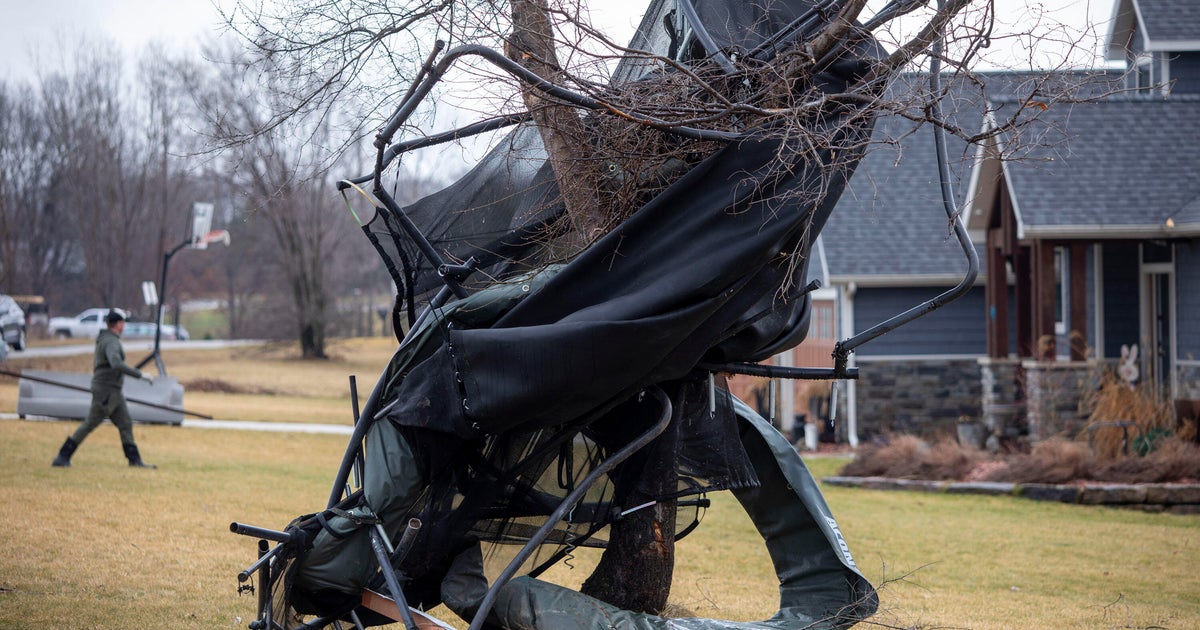
Eyewitness accounts and video footage from counties like St. Joseph and Branch showcased the full extent of the destruction. Buildings were ripped apart, roofs were torn off, and vast swathes of trees were uprooted, littering roads and properties with debris. The storms’ impact wasn't limited to structural damage; widespread flooding also became a concern in areas where heavy rainfall accompanied the intense winds. Consumers Energy reported thousands of power outages, particularly around Union City and Joppa, southwest of Battle Creek, plunging communities into darkness and further complicating recovery efforts.
The National Weather Service (NWS) played a critical role throughout the event, issuing timely warnings as the system moved across the state. Tornado warnings were issued for Mendon, Sherwood, and Union City around 4:30 p.m., followed by a severe thunderstorm warning for Shiawassee County. For Southeast Michigan, including parts of the Metro Detroit area, a dense fog warning was in effect, though no severe weather warnings were issued for these counties initially as the larger system approached later Friday night. This dynamic forecast underlined the complex and evolving nature of these large weather systems, impacting different regions at different times.
Michigan's Emergency Response and Future Risks
In response to the widespread devastation, Michigan Governor Gretchen Whitmer promptly activated the State Emergency Operations Center (SEOC). This activation, operating at a Level 3 monitoring status, centralized the coordination of resources and personnel to assist the hardest-hit areas, specifically Branch, Cass, and St. Joseph Counties. The governor’s swift action ensured that state agencies could effectively support local authorities in their immediate relief and long-term recovery efforts.
The activation of the SEOC is a crucial step in managing the aftermath of such severe events. It enables a unified response, bringing together various state departments, non-profit organizations, and federal partners to address everything from search and rescue to debris removal, shelter provision, and infrastructure repair. As communities begin the arduous process of rebuilding, the state's coordinated effort will be vital in providing necessary resources and support to those who have lost so much.
Even as Michigan grapples with the aftermath, the forecast for Metro Detroit and surrounding areas continues to highlight the potential for Metro Detroit Forecast: Sunday Brings New Severe Storm Risk. Cooler temperatures were expected later in the following week, but the immediate forecast indicated ongoing periods of heat, humidity, and the chance for more severe storms. This emphasizes that while one severe weather event concludes, vigilance must remain high, particularly in regions prone to such atmospheric conditions.
Preparing for the Next Threat: Essential Storm Safety Tips
The recent severe storms, particularly the powerful impact felt by communities near Union City and the broader risk for areas like Metro Detroit, underscore the critical importance of preparedness. Understanding how to react before, during, and after severe weather can be life-saving. Here are essential tips for residents across Michigan:
- Stay Informed: Always monitor local weather alerts from the National Weather Service (NWS), local news, or trusted weather apps. Pay attention to severe thunderstorm watches and warnings, and especially tornado watches and warnings.
- Have an Emergency Plan: Discuss with your family where to go and what to do in case of a severe storm or tornado. Identify a safe room in your home, ideally a basement or an interior room on the lowest floor, away from windows.
- Build an Emergency Kit: Prepare a kit with essentials like non-perishable food, water, a battery-powered radio, flashlight, extra batteries, first-aid supplies, medications, important documents, and a power bank for charging phones.
- Secure Outdoor Items: Before a storm hits, bring in or secure any outdoor items that could become airborne, such as patio furniture, trash cans, and garden tools.
- During a Tornado Warning: If a tornado warning is issued for your area, seek immediate shelter. Go to your designated safe room, get under something sturdy, and cover your head and neck. Avoid windows.
- During Power Outages: If power goes out, use flashlights instead of candles to avoid fire hazards. Keep refrigerator and freezer doors closed as much as possible to preserve food. Have a communication plan in place for family members.
- Post-Storm Safety: Be wary of downed power lines and report them immediately to utility companies. Avoid walking or driving through flooded areas. Stay away from damaged buildings and structures. If you need assistance, contact local emergency services.
For more detailed information on the state's response and recovery efforts, refer to updates such as Michigan Storm Aftermath: Governor Activates Emergency Center. These resources provide crucial guidance during challenging times.
Conclusion
The recent severe storms in Michigan serve as a somber reminder of nature's power and the critical need for vigilance and preparedness. The tragic loss of four lives, coupled with extensive damage and widespread power outages, has left an indelible mark on many communities, particularly those in Southwest Michigan. While areas like Metro Detroit experienced the peripheral effects and later faced their own severe weather risks, the collective experience highlights the importance of timely warnings, robust emergency responses, and informed public action. As recovery efforts continue, the resilience of Michigan's communities will be tested, but with ongoing support from state agencies and a commitment to safety, the path to rebuilding and strengthening against future threats will become clearer. Staying informed and prepared remains the best defense against the unpredictable force of severe weather.